
EN
Contact Us
Any factory can sew a bag from recycled fabric and print “eco-friendly” on the hang tag. Very few can hand you a GRS transaction certificate that your retail partner’s compliance team will accept. Kingsons holds GRS certification, sources verified RPET materials, and produces full compliance documentation with every order — because your sustainability claim needs to hold up to scrutiny, not just look good on a product page.
Our RPET bags are manufactured with verified recycled content and full certification documentation.
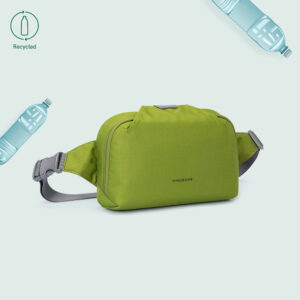
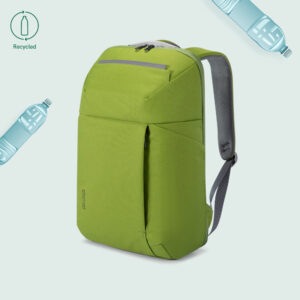
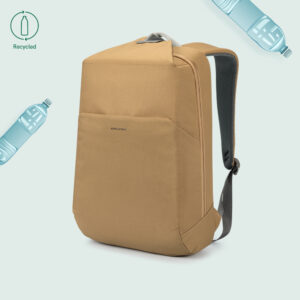
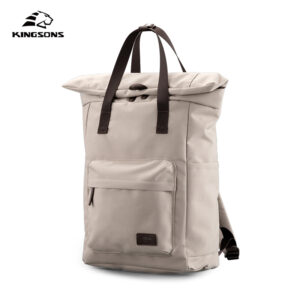
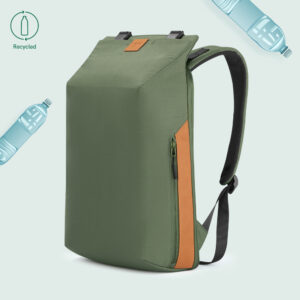
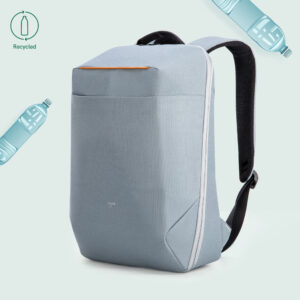
Scan QR code or copy link to share in WeChat
RPET stands for Recycled Polyethylene Terephthalate — the same polymer as standard polyester, produced from post-consumer recycled PET rather than virgin petroleum feedstock. Understanding how it is made is how you verify whether a supplier’s RPET claim is real.
Post-consumer PET bottles are collected, sorted by colour and grade, and cleaned to remove contaminants. The quality of this stage determines the consistency of the finished fibre.
Clean PET bottles are shredded into flake form, then melted and extruded into pellets — the raw RPET resin. Kingsons’ RPET material supply chain uses verified, GRS-certified pellet suppliers.
RPET pellets are melted and drawn through spinnerets to produce continuous filament or staple fibre, determining tensile strength, elongation, and surface consistency.
RPET yarn is twisted, textured, or air-jetted to produce the target specification, then woven or knitted into fabric using the same equipment as conventional polyester production.
Finished RPET fabric receives the same treatments as virgin polyester: waterproof DWR coating, PU lamination, matte or gloss calendering, anti-pilling treatment, and pigment dyeing.
A common buyer concern: does RPET perform as well as virgin polyester? For fabric weights typically 300D to 900D used in bag manufacturing, RPET produced from quality-graded recycled resin performs comparably to virgin polyester:
* Colour fastness equivalent under standard pigment dyeing; slightly more variable in lighter shades depending on feedstock consistency.
The practical implication: A bag made from Kingsons’ GRS-certified 600D RPET will perform to the same physical standard as a bag made from virgin 600D polyester — with a verified recycled content of 100% post-consumer material.
We generate a TC for every qualifying RPET production order, the document your retail compliance team, Amazon Climate Pledge Friendly application, and EU Green Claims Directive substantiation require.
For 300D–900D fabric weights used in bag manufacturing, Kingsons’ GRS-certified RPET delivers equivalent tensile strength, tear resistance, abrasion resistance, and waterproof coating compatibility to virgin polyester of the same specification. DWR, PU lamination, and TPU finishing are fully compatible.
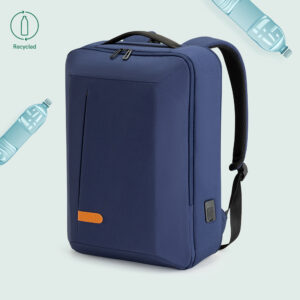
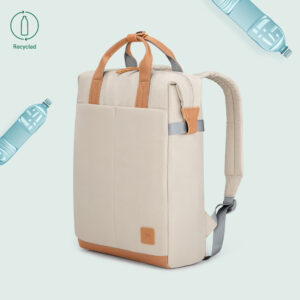
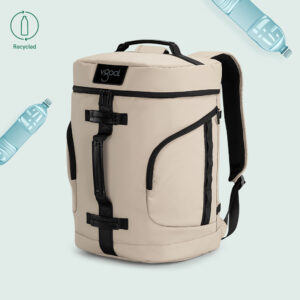
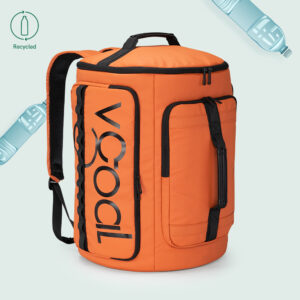
Apply GRS-certified RPET across your full product architecture: business backpacks, laptop bags, travel bags, gym bags, fashion bags, totes, promotional bags, and accessories.
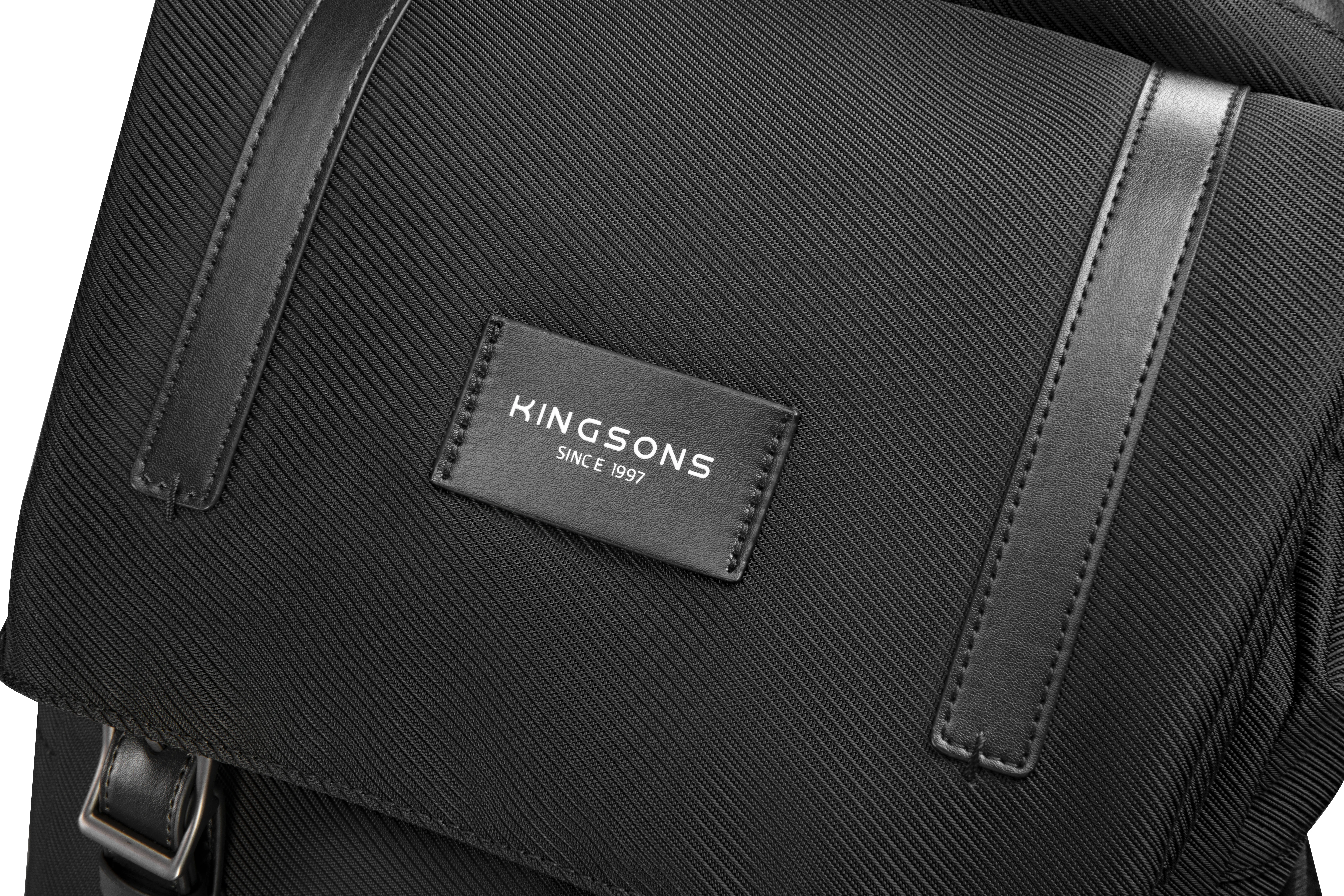 Screen Printing
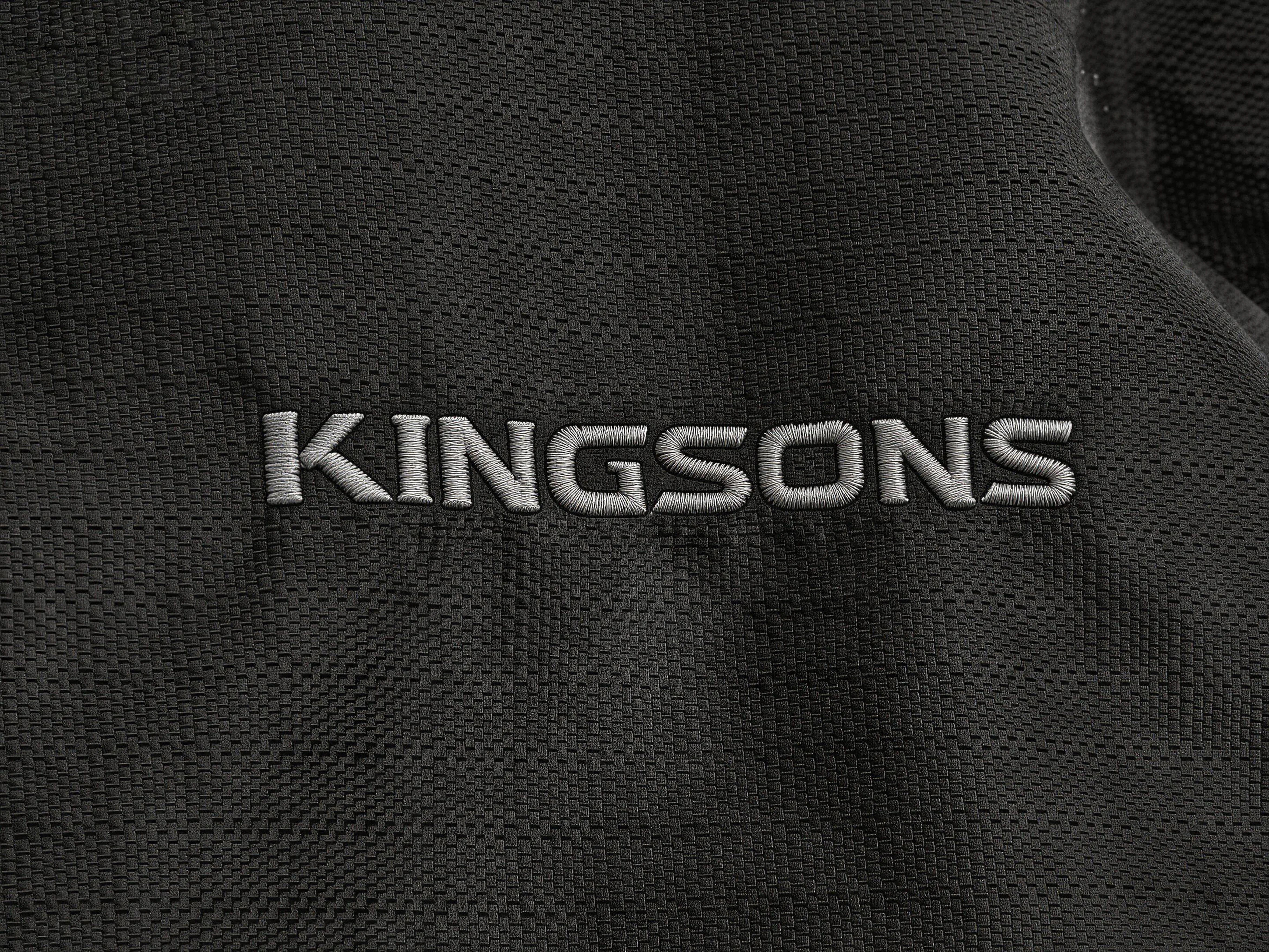 Embroidery
 Laser Engraving
 Metal Logo
 Debossed Logo
 Woven Logo
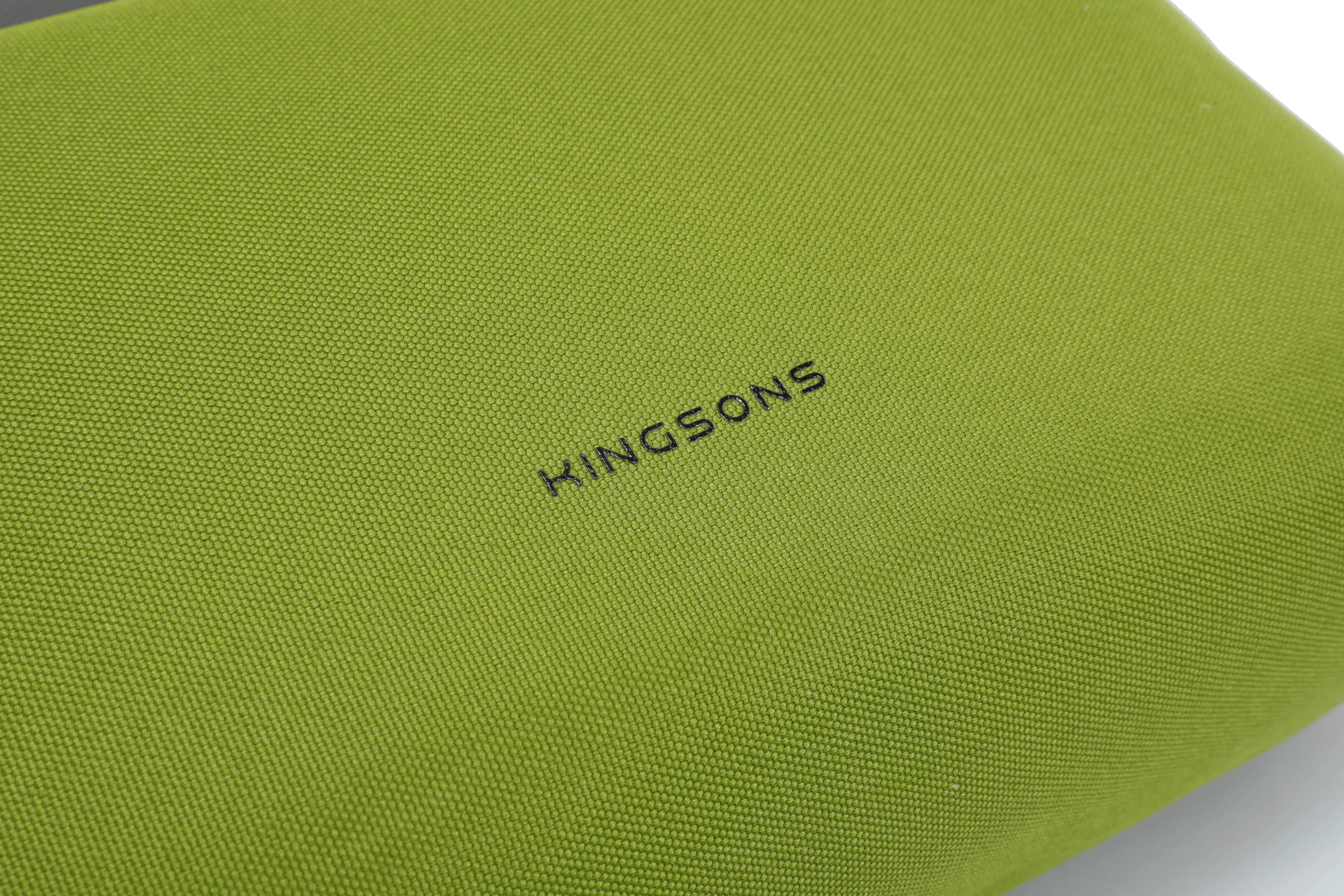 RPET Fabric
 Cordura Fabric
 Anti-cut Fabric
 Waterproof Fabric
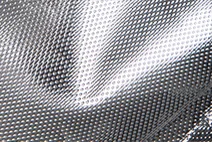 Aluminum Foil
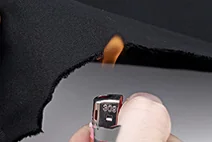 Fire Proofing
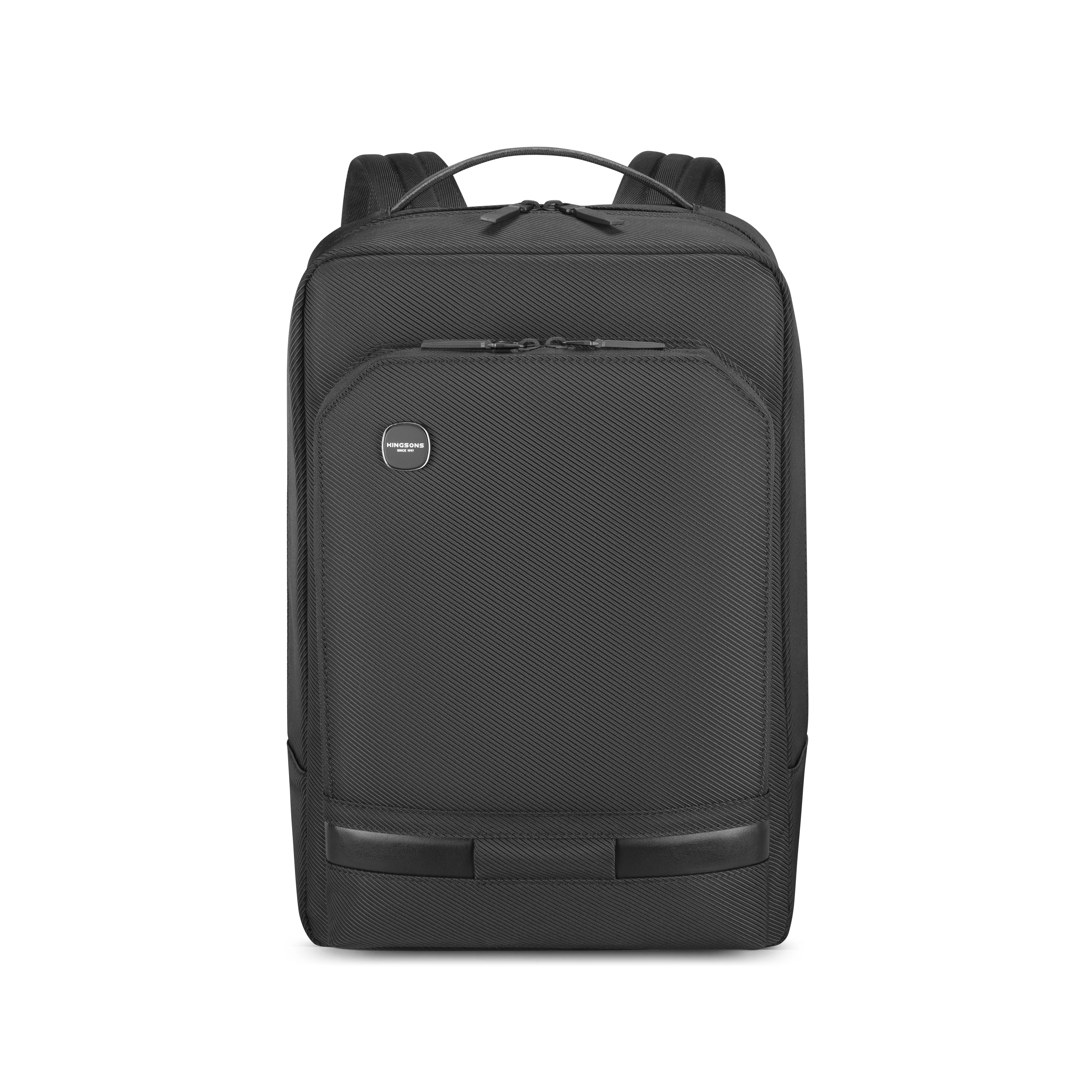 Business
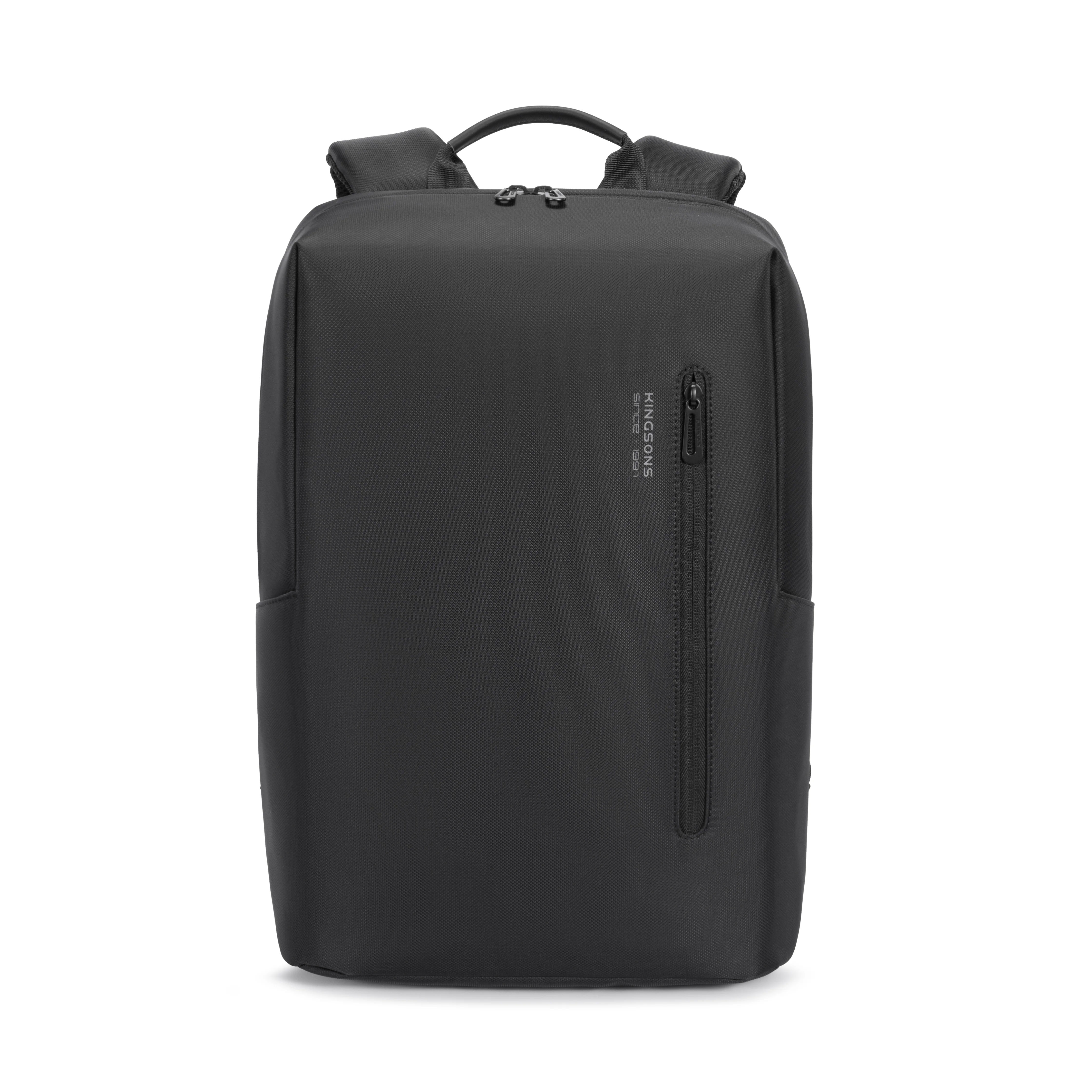 Daily
Daily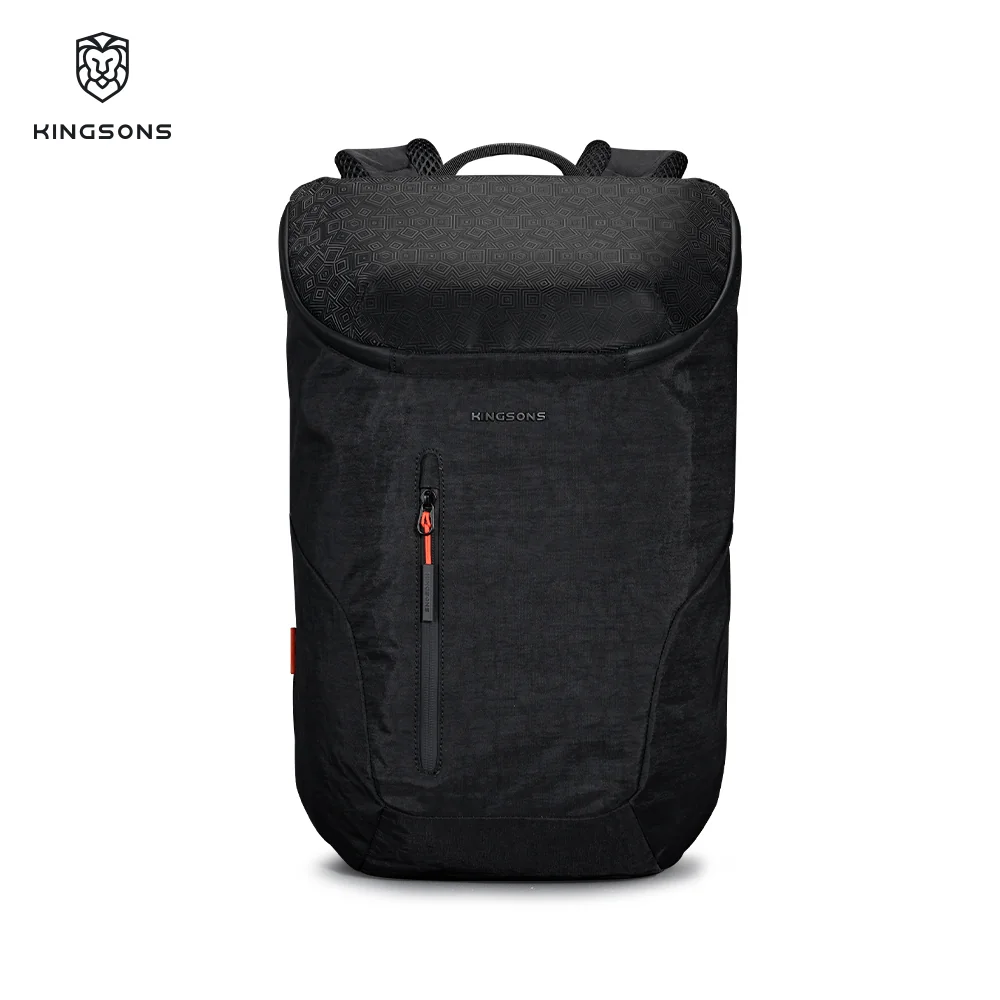 Outdoor
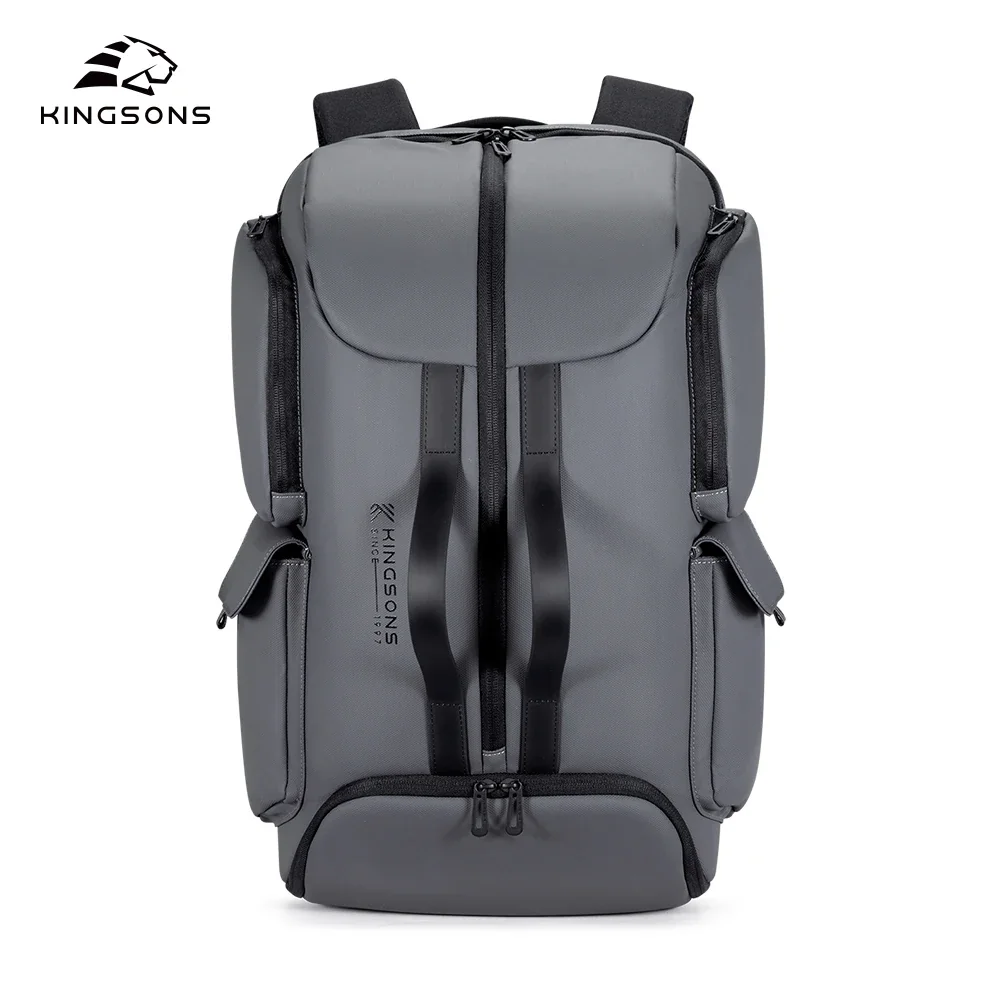 Travel
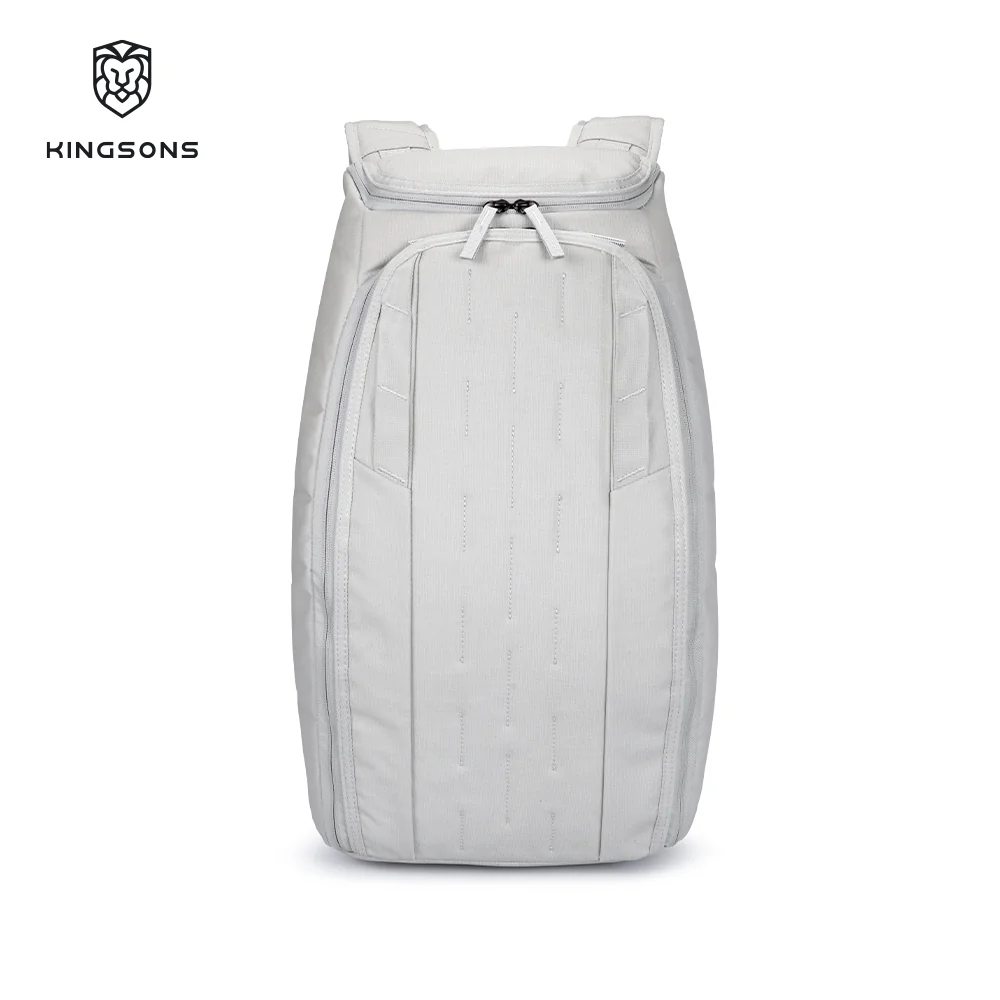 Sport
Sport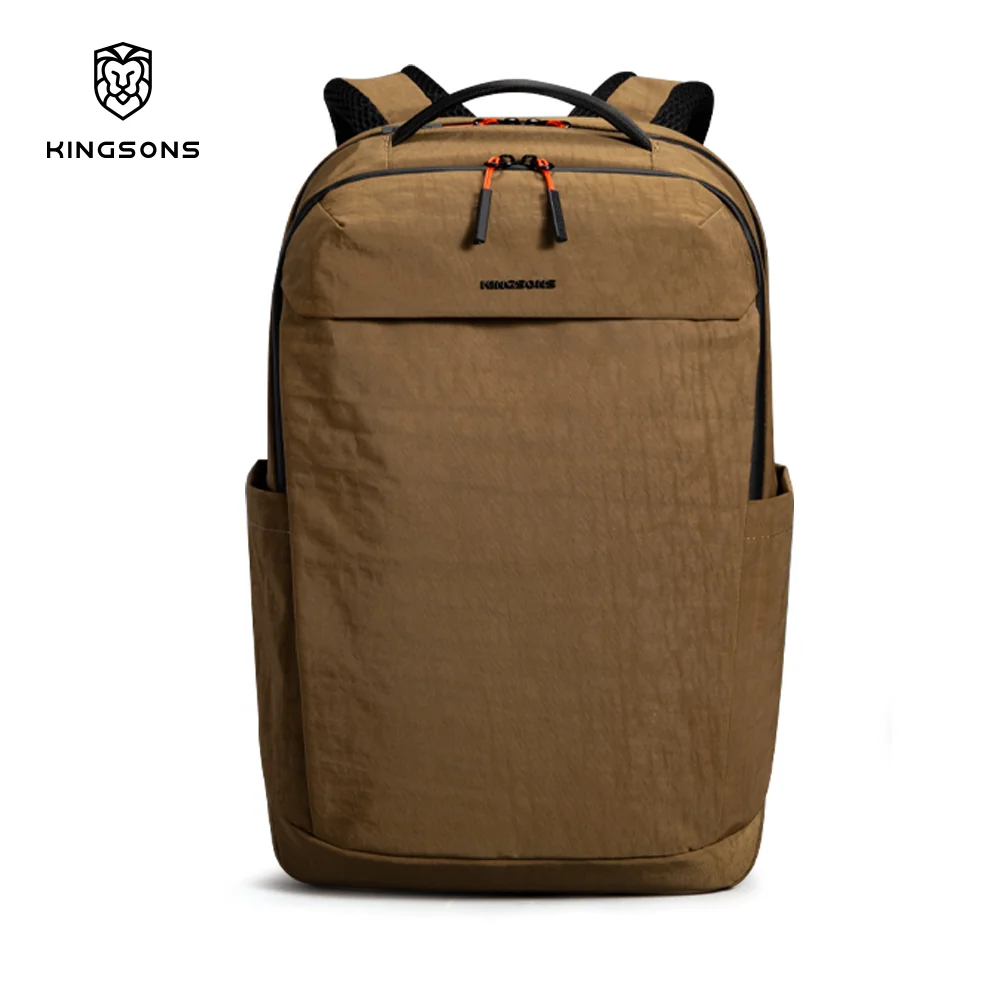 Retro
Retro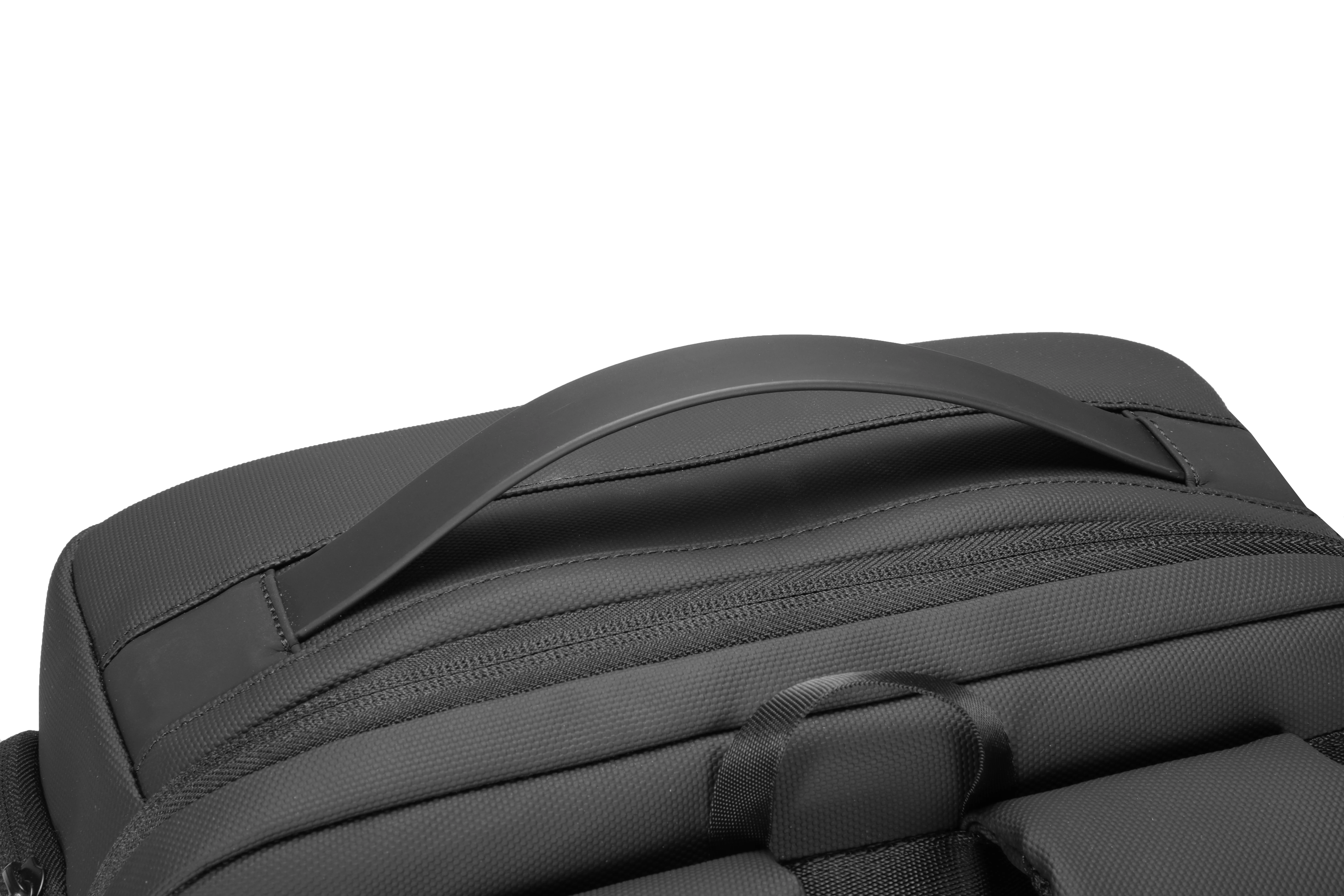 Handle
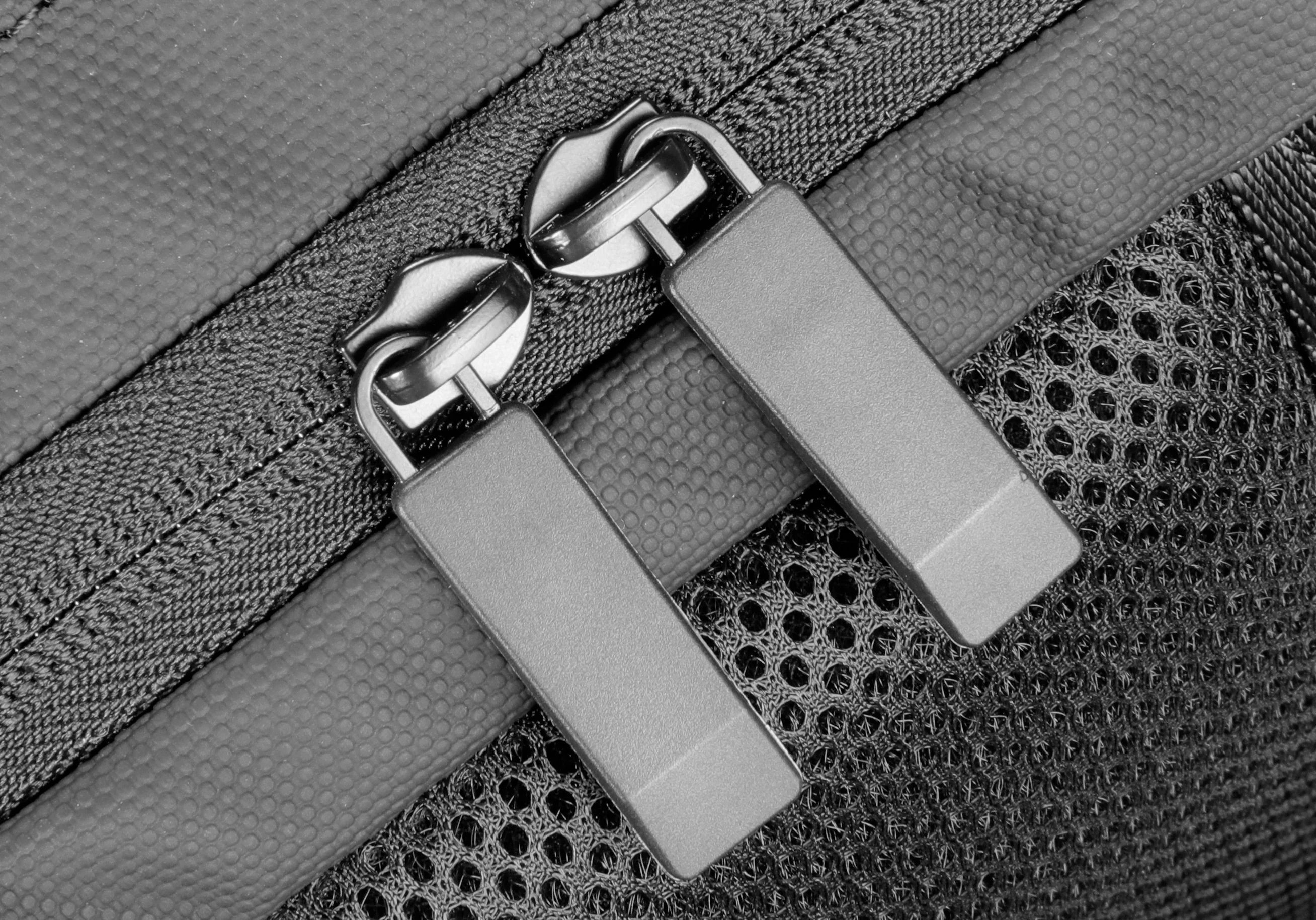 Zipper Puller
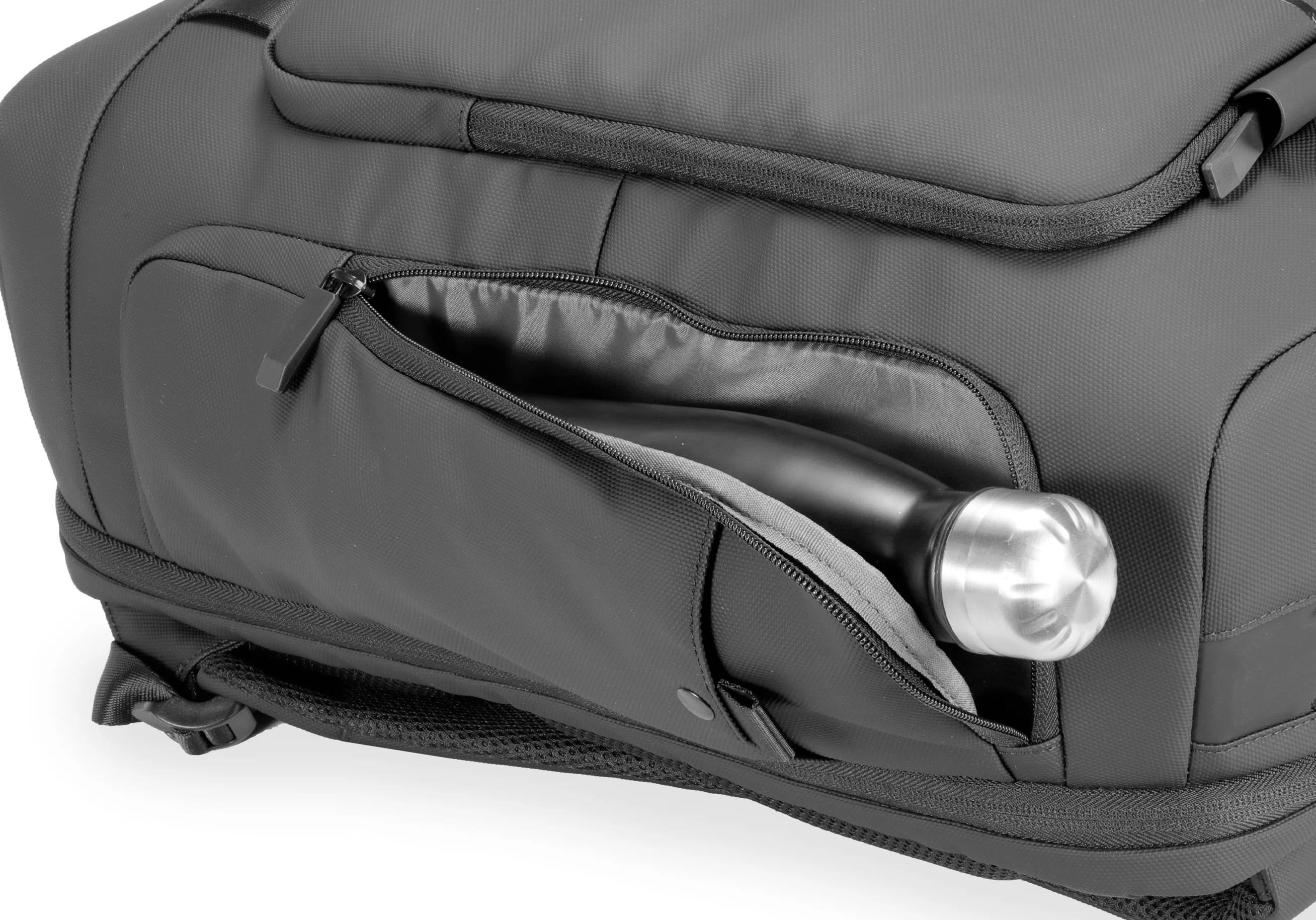 Side Pocket
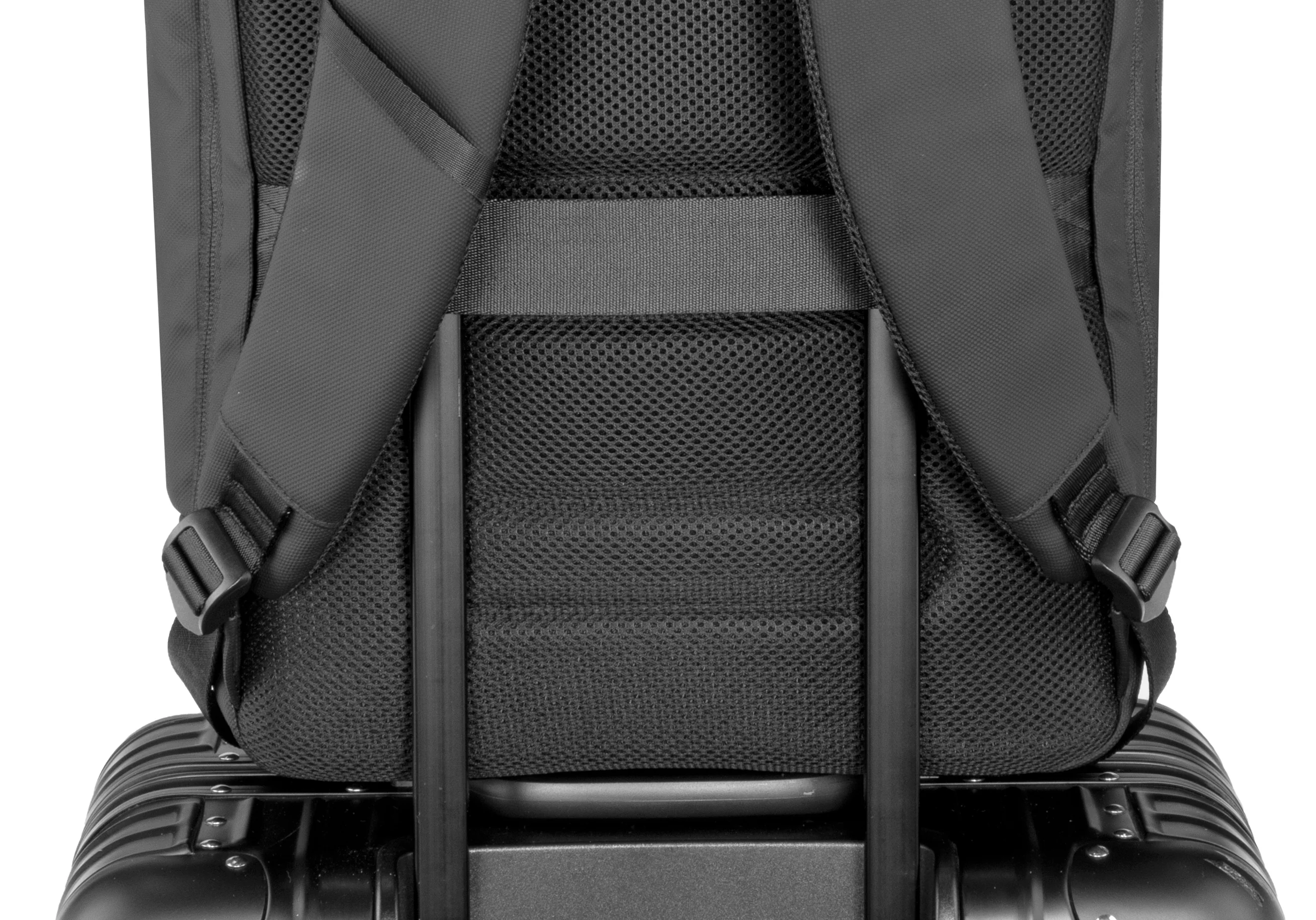 Fastening Belt
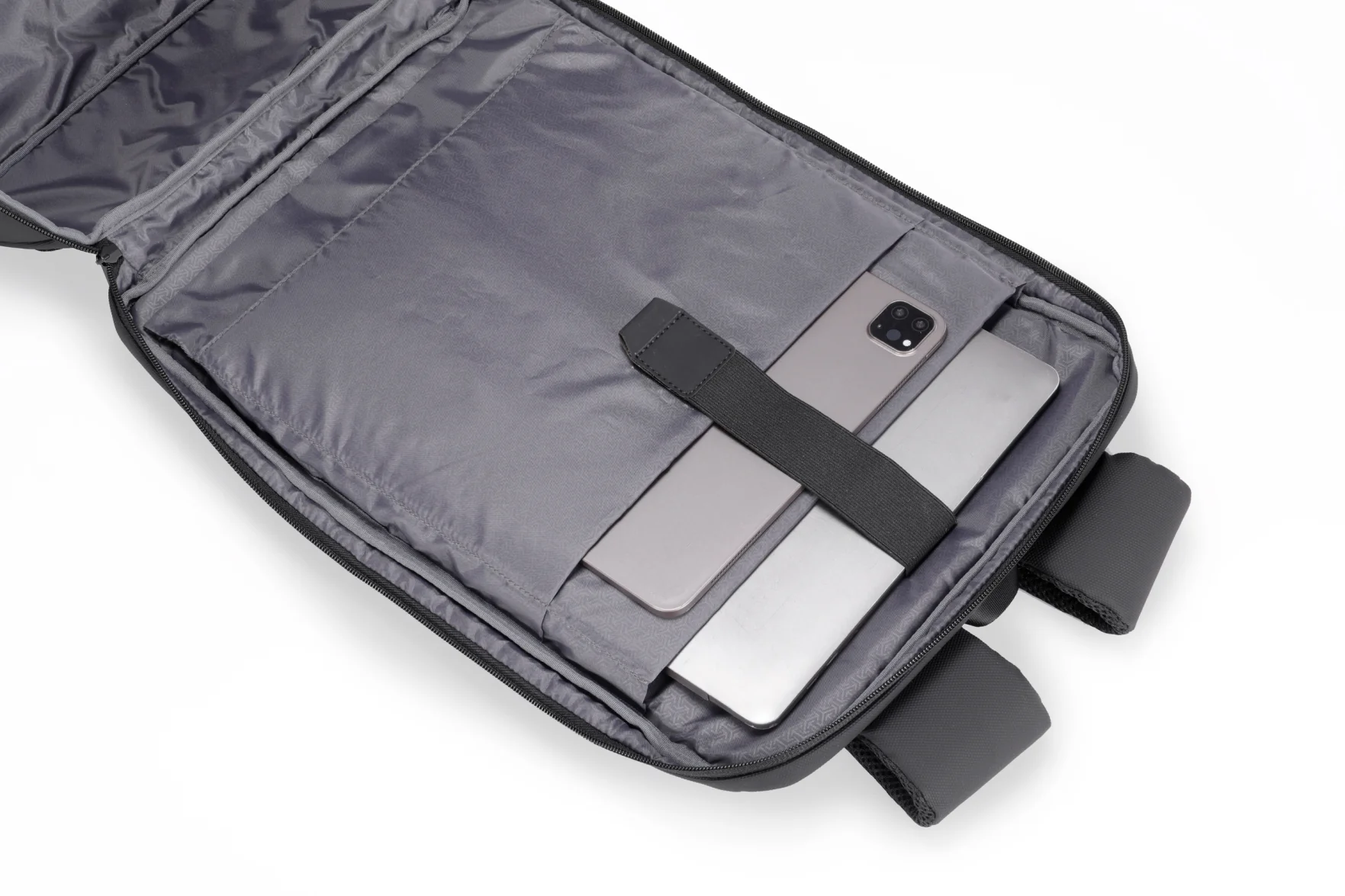 Laptop Compartment
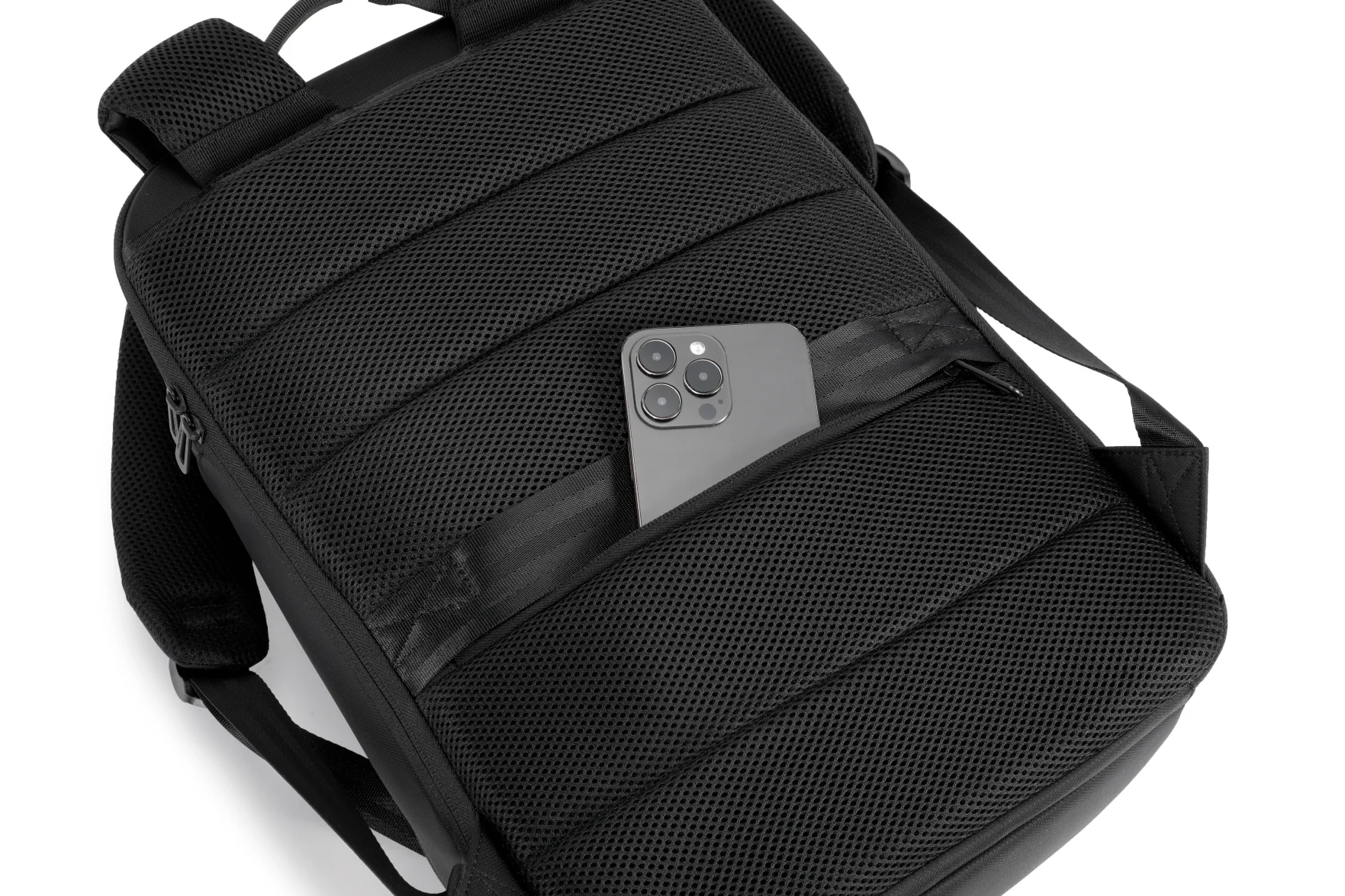 Hidden Zipper
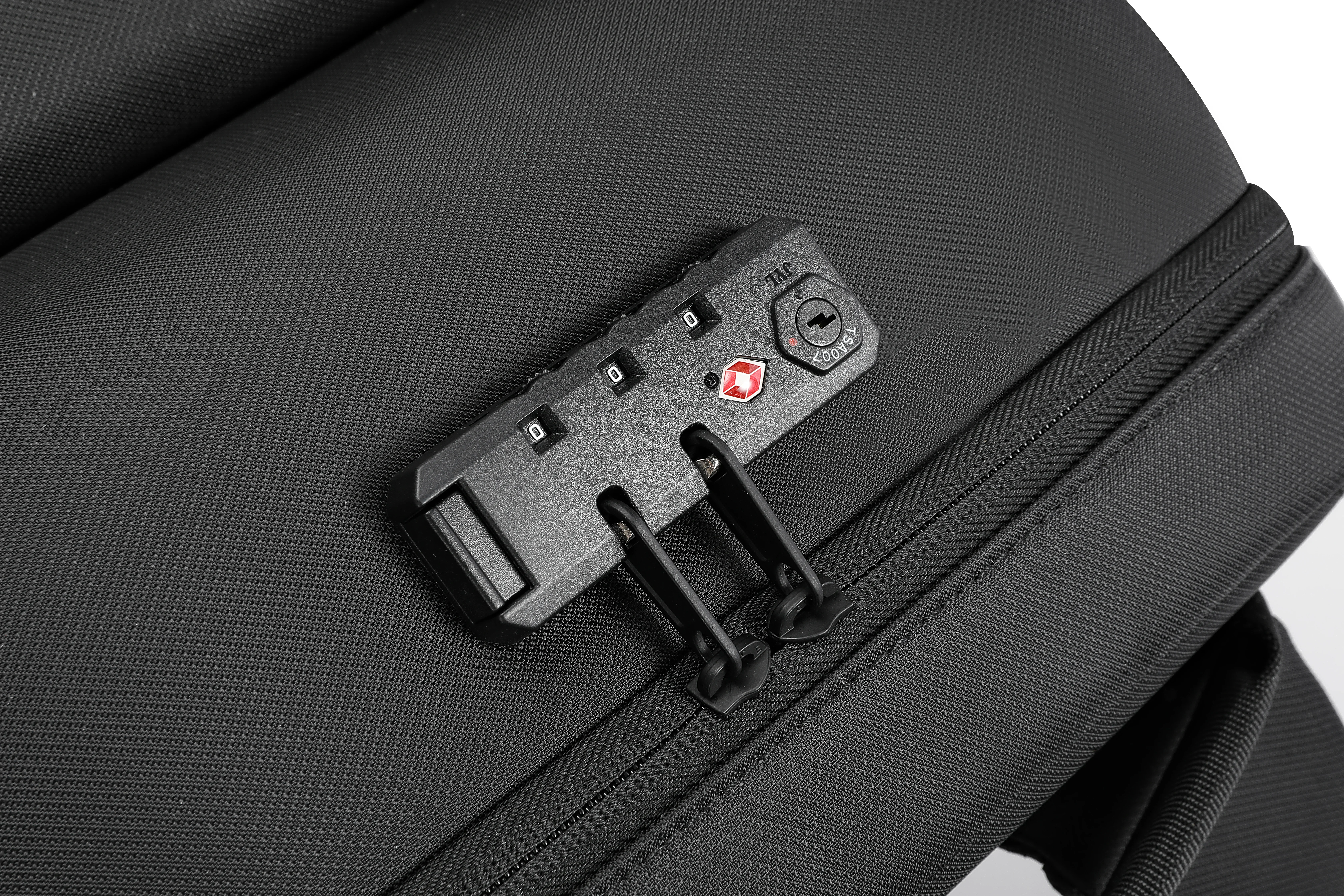 Anti-theft Zipper
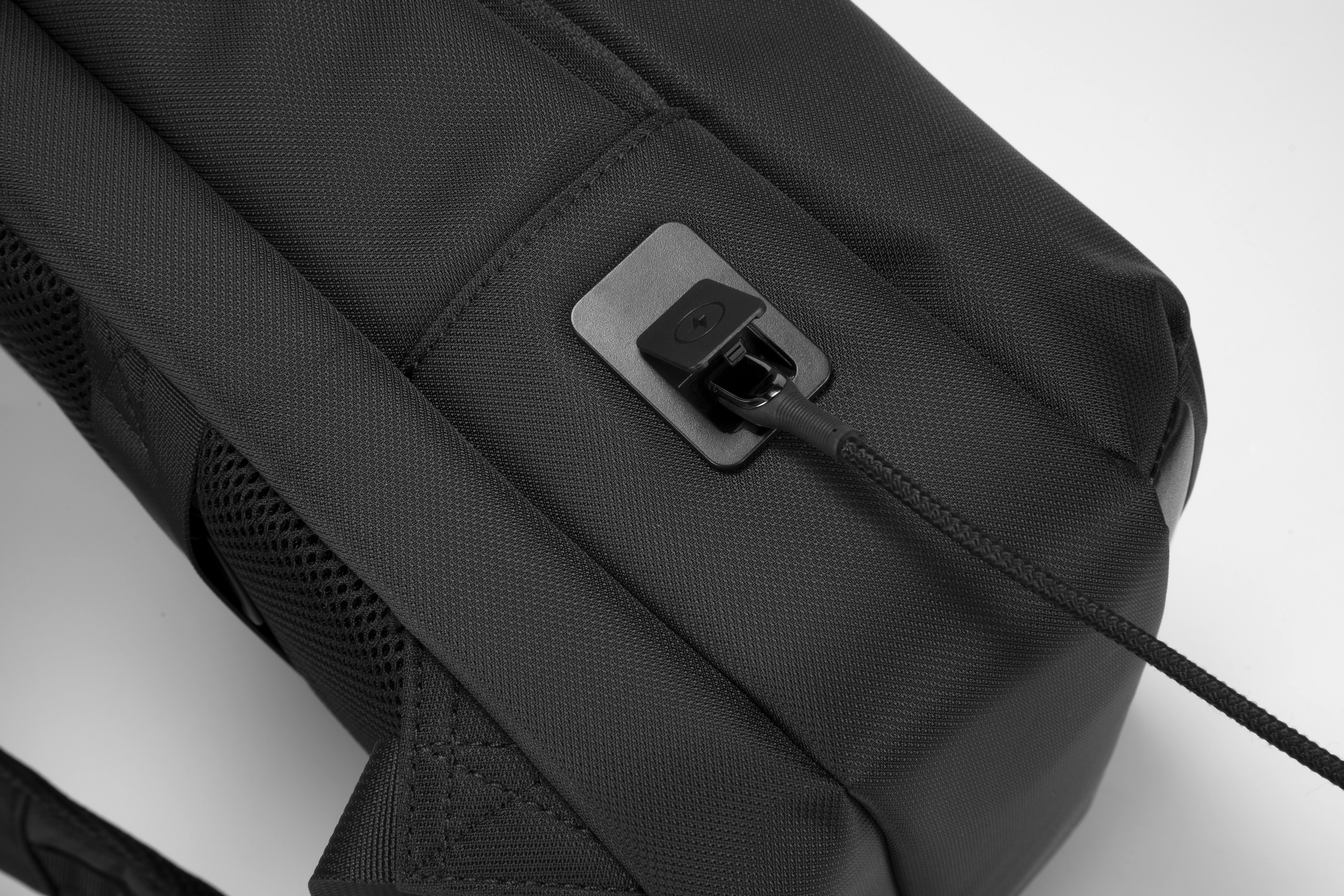 USB Charging
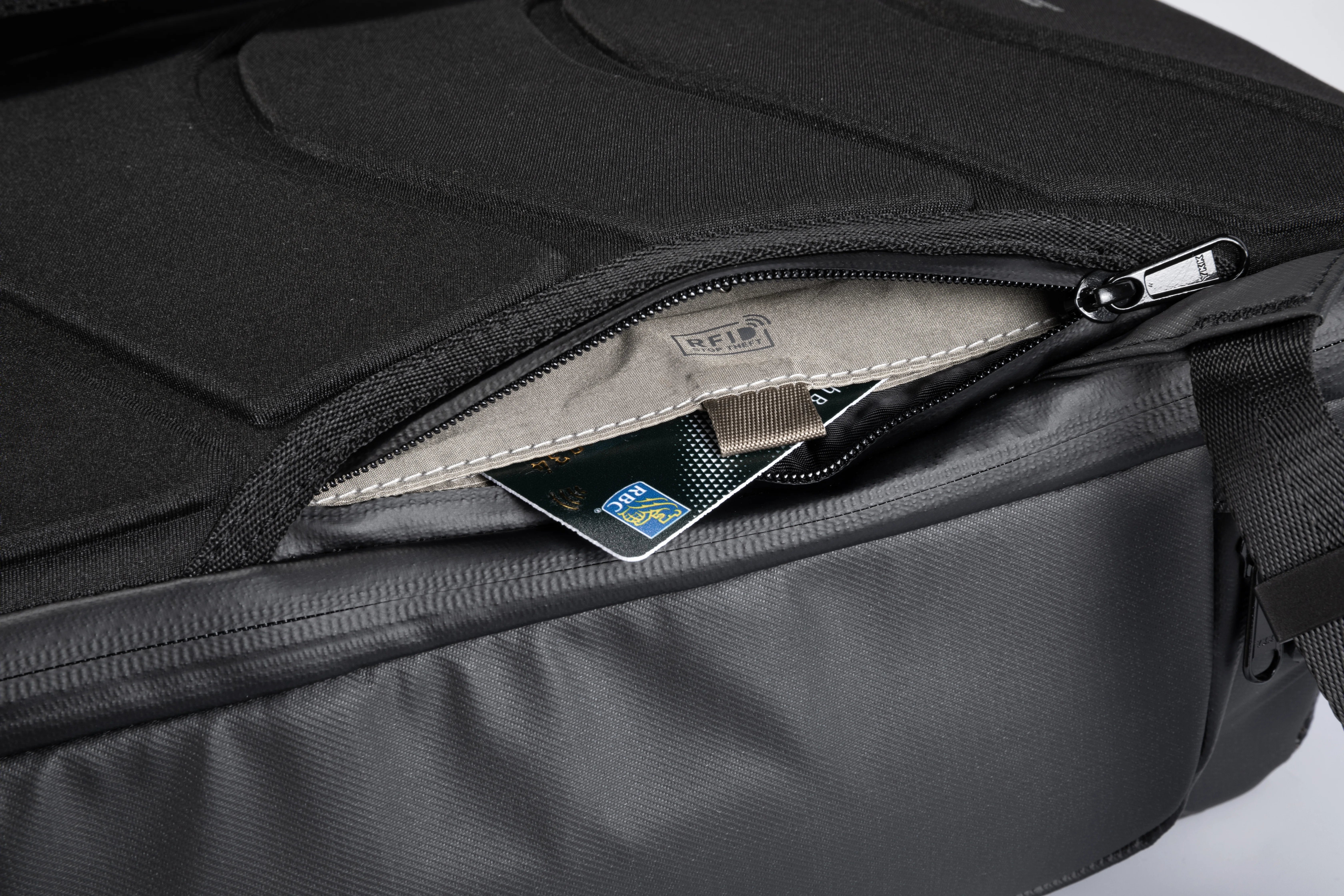 RFID
RFID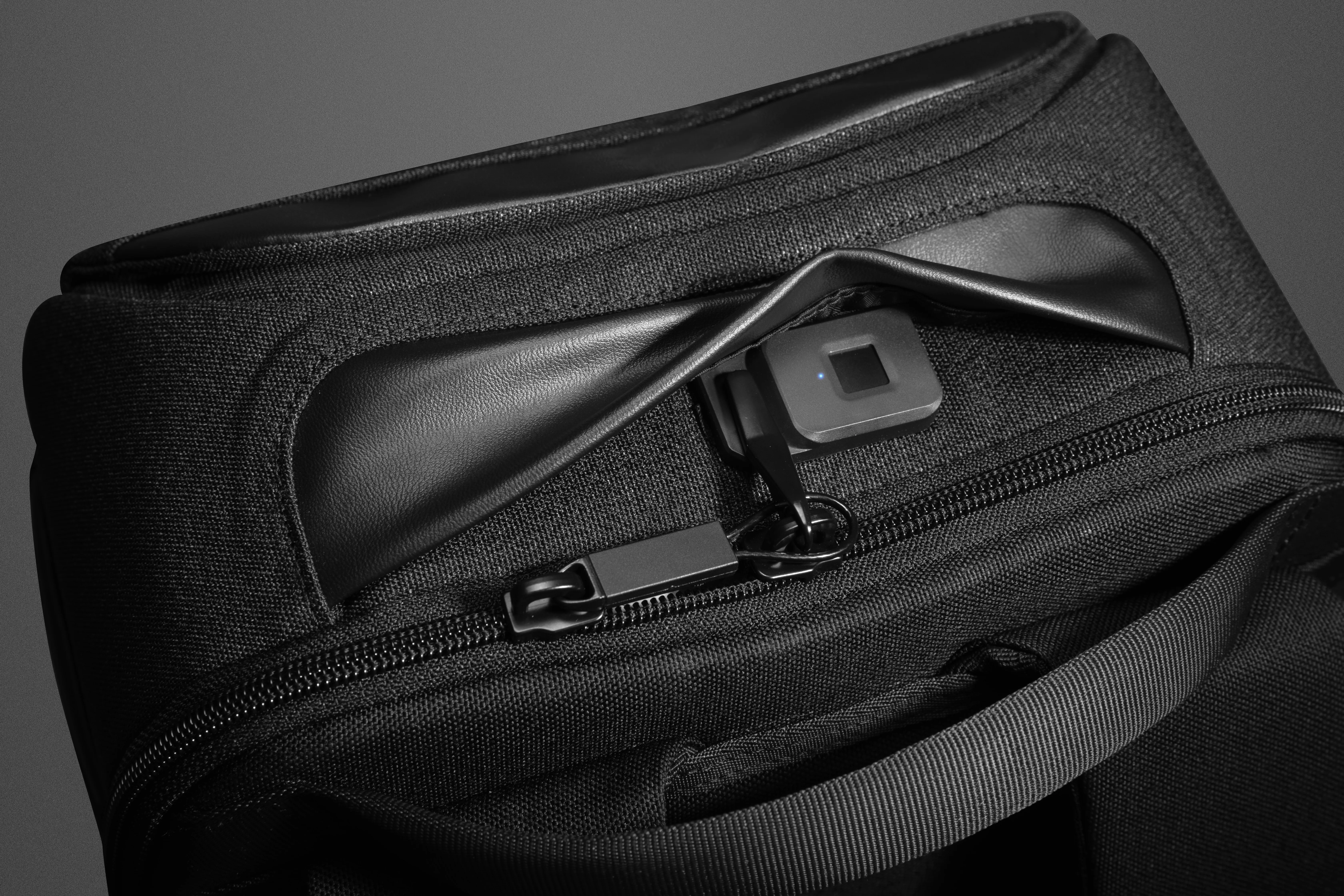 Fingerprint Lock
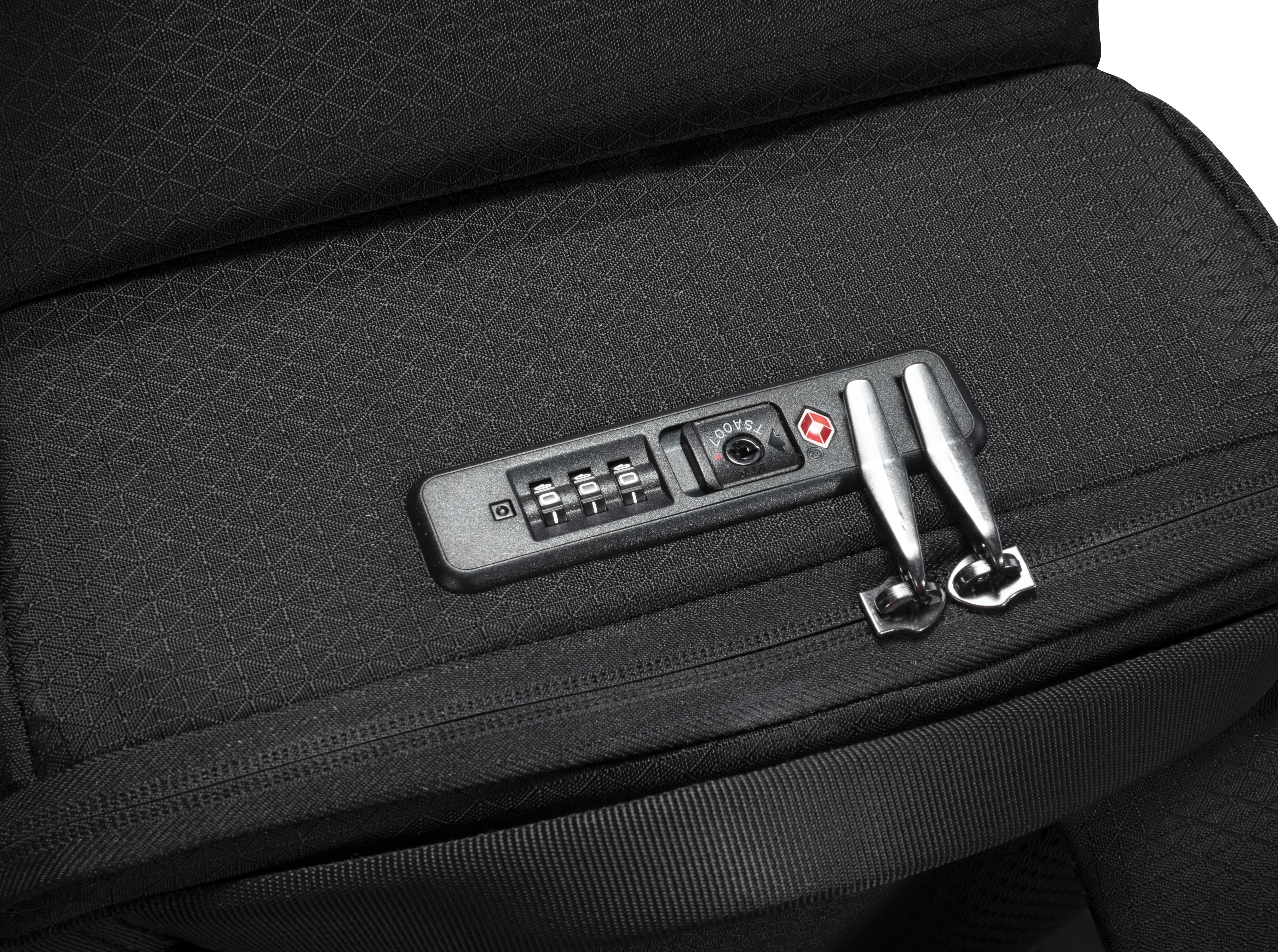 TSA Lock
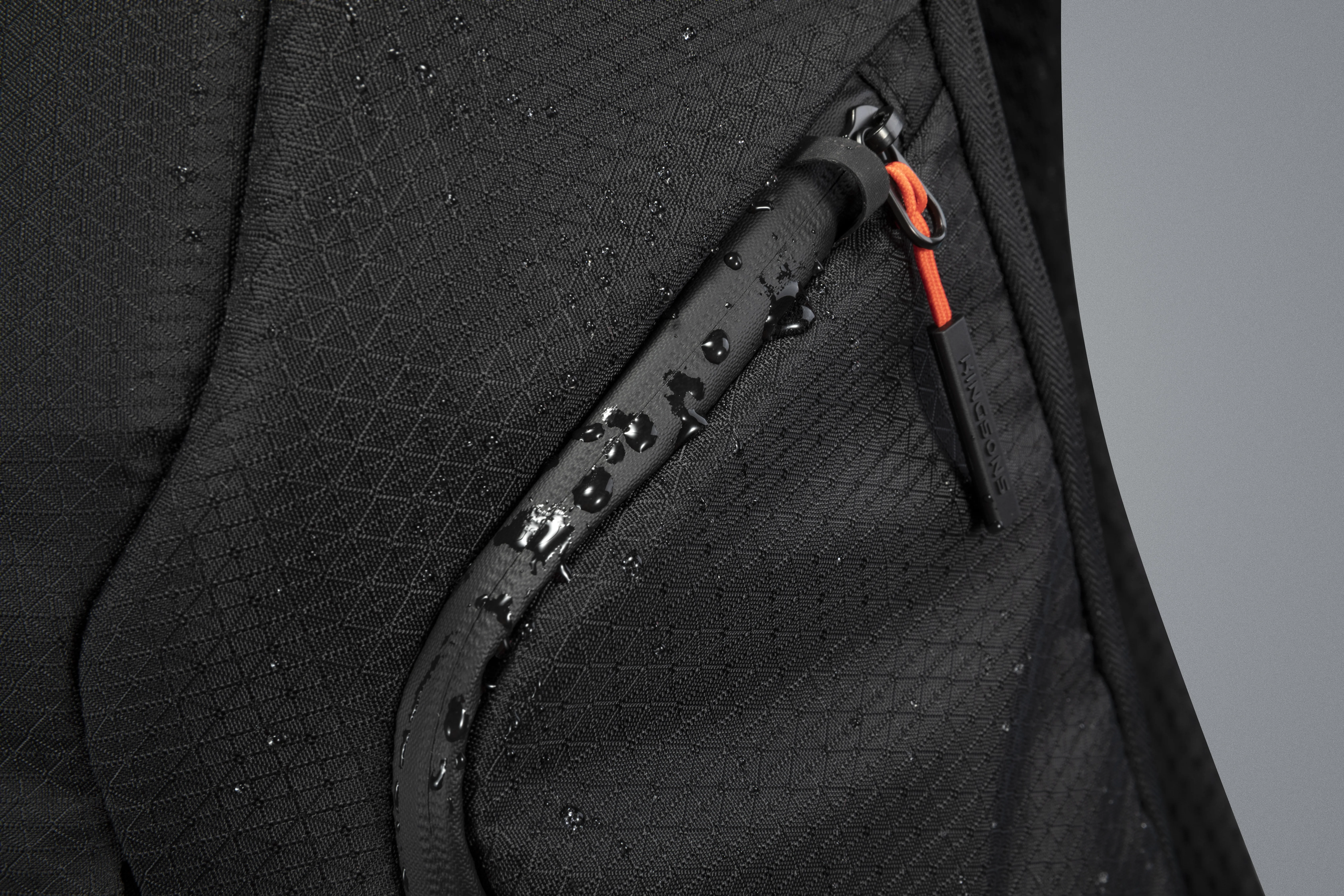 Waterproof Zippers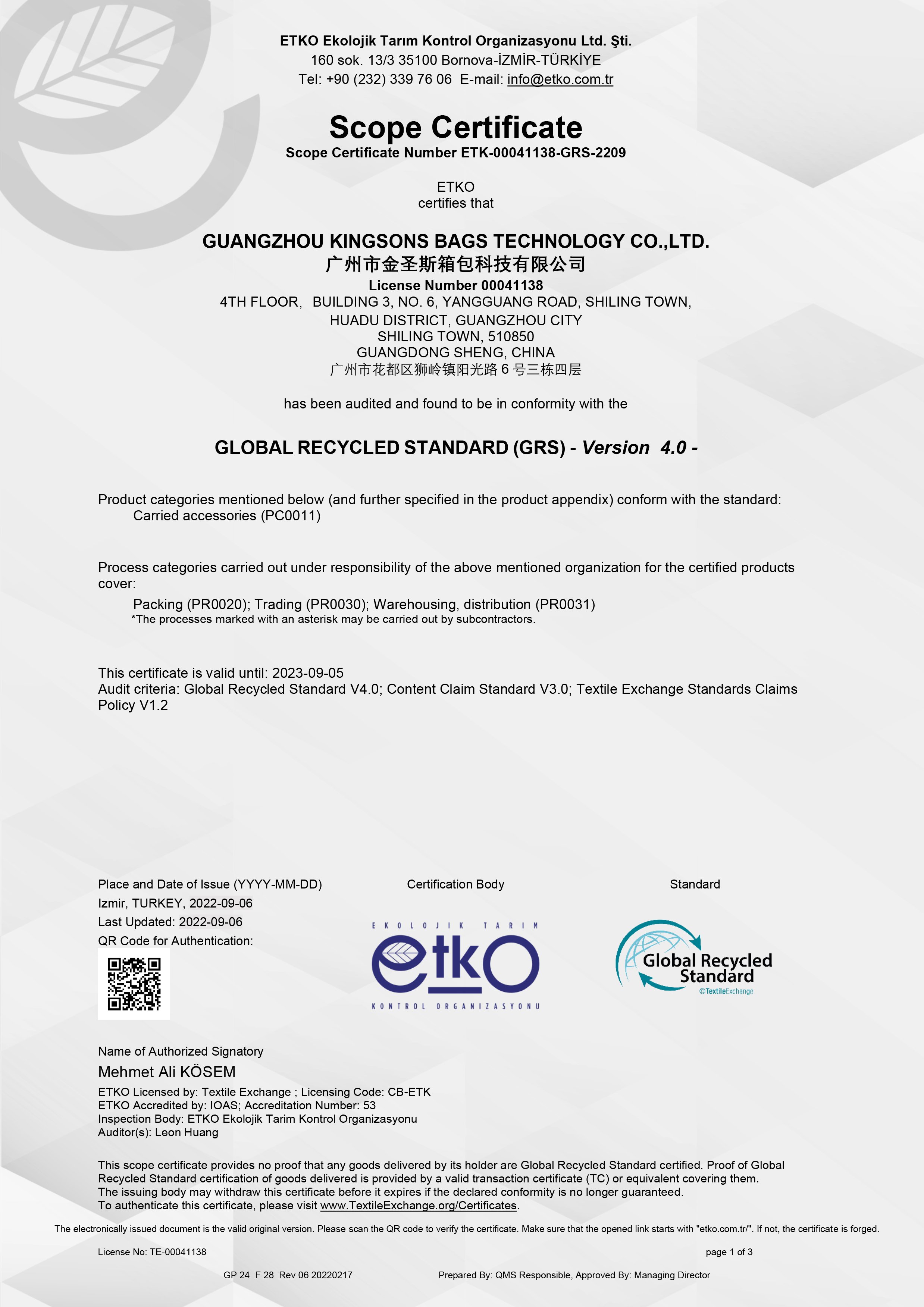
Kingsons holds current GRS (Global Recycled Standard) certification covering the use of verified recycled materials in production, administered by Textile Exchange.
The Credential Gap Most Buyers Discover Too Late: Many factories produce bags using recycled polyester without holding GRS certification. The fabric may be recycled — but without a GRS TC, you cannot make a verified claim. Kingsons has the paper.
RPET is not limited to a single bag style or market. Kingsons applies GRS-certified RPET across its full product architecture.
600D or 900D GRS-certified RPET shell construction, padded laptop compartment, durable hardware. Ideal for corporate gifting and B2B promotional campaigns.
Explore Laptop Backpack ManufacturingLightweight, high-volume RPET constructions with waterproof DWR coating. GRS-certified RPET is fully compatible with travel-grade waterproof finishing.
Explore Travel Backpack ManufacturingGRS-certified RPET woven fabric from 210D reusable shoppers to structured 600D shopping totes. The highest-volume eco product format.
Explore Tote Bag ManufacturingLightweight RPET drawstring bags and sports bags — fully printable, fast-production format. GRS-certified. Ideal for sports brand activations.
Explore Gym Bag ManufacturingGRS-certified RPET school bags — durable, colourful, and sustainability-certified. For brands targeting the education market and eco-conscious parents.
Explore School Backpack ManufacturingA common misconception: that recycled polyester means a rough texture, a limited colour palette, and a utilitarian aesthetic. This is not accurate for quality-grade RPET used in Kingsons’ production.
210D RPET — lightweight, foldable; ideal for tote bags and packable bags.
300D RPET — mid-weight, structured; ideal for everyday backpacks and gym bags.
600D RPET — standard bag weight; ideal for business backpacks and travel bags.
900D RPET — heavy-duty; ideal for outdoor and work bags requiring high abrasion resistance.
Oxford weave, dobby weave, and jacquard weave constructions available.
Standard matte, gloss calendered, PU-coated, TPU laminated, and DWR treated finishes available. RPET is compatible with every finishing option available to virgin polyester.
RPET fabric is pigment-dyed after weaving and is compatible with Pantone-matched colour development. Full-colour, multi-panel colour constructions are available. Note: very pale pastel shades may show slightly more variation than virgin polyester due to feedstock colour variation — your account manager will advise on colour specification for your target shade.
All standard Kingsons branding techniques are fully compatible with RPET fabric:
Screen printing — bold, flat graphics; most cost-effective for large quantities.
Heat transfer — full-colour, photographic-quality graphics.
Embroidery — premium, dimensional logo application.
Woven label and hang tag — including GRS-compliant recycled content labelling.
Our 50,000 sqm facility runs 20 automated production lines and ships to over 100 countries. Every order goes through a three-stage quality control process: incoming materials inspection, inline production checks, and pre-shipment final inspection. All structural components are tested to documented standards before any batch leaves the factory.
Certifications: ISO 9001 | ISO 14001 | ISO 45001 | BSCI | SEDEX | GRS | FSC | RoHS
A GRS Transaction Certificate (TC) is a document issued per production order by a GRS-certified supplier, confirming that the recycled materials used in your specific order are verified under the Global Recycled Standard. It is specific to your order — not a generic factory certificate. Your retail partners, marketplace compliance teams, and regulatory bodies require the TC to accept a GRS recycled content claim. Kingsons generates a GRS TC for every qualifying RPET production order.
For bags produced using GRS-certified RPET fabric as the primary shell material, recycled content typically ranges from 50% to 100% by weight of the fabric component, depending on specification. For a product claiming “100% recycled polyester shell,” Kingsons uses 100% post-consumer RPET yarn in the outer fabric construction. Total product recycled content by weight will be lower and will be documented accurately in the material composition declaration.
GRS-certified RPET fabric typically carries a price premium of 10–20% over equivalent-specification virgin polyester fabric, depending on current commodity prices and grade. For most product categories, the RPET premium at the finished bag level is modest — and for brands selling into sustainability-aware markets, the price premium the product can command at retail more than offsets the material cost difference.
Yes. Amazon’s Climate Pledge Friendly programme accepts GRS certification as a qualifying sustainability standard. Kingsons will provide the GRS Transaction Certificate specific to your production order, which you can submit as supporting documentation with your Climate Pledge Friendly application.
For RPET orders destined for EU markets, Kingsons provides: GRS Transaction Certificate, material composition declaration (with recycled content percentage), REACH compliance documentation for all materials, and ISO 14001 factory certification. For brands preparing for compliance with the EU Green Claims Directive, this documentation package provides the substantiated, third-party verified evidence the Directive requires.
Yes. Hybrid constructions — for example, RPET outer shell with standard polyester lining, or RPET main body with recycled nylon accent panels — are possible. The GRS TC will document the recycled content as a percentage of total product weight. If your target recycled content percentage is specified (for example, “minimum 50% recycled content by product weight”), Kingsons’ R&D team will design the material specification to meet that threshold and document it accordingly.
RPET fabric is widely available. GRS certification is not. The document that transforms a recycled bag into a certifiable, retail-compliant, regulation-ready product is the GRS Transaction Certificate — and the only way to get one is to work with a certified factory. Kingsons is that factory.